Social Media Marketing SMM
Social Media Marketing (SMM): A Comprehensive Overview
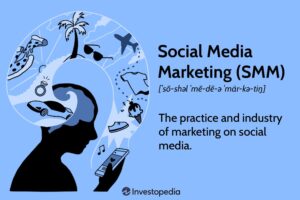
Social Media Marketing (SMM) is a powerful form of digital marketing that uses social networking platforms to connect with audiences, build brands, drive website traffic, and generate sales. Over the past decade, social media has transformed from a place to socialize into a dynamic marketing channel where businesses can engage directly with customers, showcase products, and establish authority in their niche.
Implementing effective Social Media Marketing SMM strategies can lead to significant ROI.
Social Media Marketing SMM has revolutionized the way businesses engage with their customers and build brand loyalty.
1. What is Social Media Marketing?
Understanding the principles of Social Media Marketing SMM is crucial for modern businesses.
Social Media Marketing involves creating and sharing content on platforms like Facebook, Instagram, X (formerly Twitter), LinkedIn, TikTok, Pinterest, and YouTube to achieve specific marketing goals. This content can be in the form of images, videos, reels, stories, polls, blog posts, or live sessions. The main aim is to capture attention, engage the audience, and convert them into loyal customers.
With Social Media Marketing SMM, brands can create engaging content that resonates with their audience.
It combines organic (free) activities—such as posting regular updates and engaging with followers—with paid advertising campaigns that target specific audiences based on demographics, interests, and behaviors.
2. Importance of Social Media Marketing
Social media has billions of active users worldwide, making it an essential part of any marketing strategy. The key benefits include:
Through Social Media Marketing SMM, businesses gain insights into customer preferences and behaviors.
-
Brand Awareness: Businesses can showcase their identity, values, and products to a massive audience without geographical limitations.
Utilizing Social Media Marketing SMM can enhance a brand’s visibility across various platforms.
-
Customer Engagement: Real-time communication helps build trust and foster relationships with customers.
Social Media Marketing SMM fosters a community around your brand, leading to higher customer retention.
-
Cost-Effective Advertising: Compared to traditional media, social media ads are affordable and highly targeted.
Effective Social Media Marketing SMM strategies can be tailored to reach niche markets.
-
Data and Insights: Platforms offer analytics tools to measure performance, understand audience behavior, and refine strategies.
-
Increased Website Traffic: Posts and ads can drive users to websites, landing pages, or e-commerce stores.
3. Core Components of Social Media Marketing
Every successful business should consider integrating Social Media Marketing SMM into their marketing mix.
A. Strategy Development
Before posting content, businesses must create a clear plan. This includes defining objectives (brand awareness, lead generation, sales), identifying target audiences, and choosing the right platforms.
B. Content Creation
Content is the backbone of SMM. Successful brands use a mix of:
-
Visuals: Eye-catching photos, infographics, and short videos.
-
Interactive Content: Polls, Q&A sessions, and contests.
-
Educational Posts: Tutorials, tips, and industry news.
-
Entertainment: Memes, challenges, and behind-the-scenes footage.
C. Posting and Scheduling
Consistency is crucial. Using scheduling tools like Buffer, Hootsuite, or Meta Business Suite ensures regular posting during optimal engagement times.
D. Engagement
Social media is a two-way communication channel. Responding to comments, direct messages, and mentions helps build community trust and loyalty.
E. Advertising (Paid Campaigns)
Paid social media advertising allows precise targeting. For example, Facebook Ads Manager lets you target based on location, interests, age, gender, and even online behavior. Ads can be in various formats such as image ads, video ads, carousel ads, and lead forms.
F. Analytics and Optimization
Tracking performance is essential to know what’s working and what’s not. Metrics like reach, engagement rate, click-through rate (CTR), and conversions guide future campaigns.
4. Popular Social Media Platforms for Marketing
-
Facebook: Ideal for a wide range of businesses due to its massive user base and advanced targeting tools.
-
Instagram: Visual-first platform perfect for fashion, lifestyle, food, and travel brands.
-
LinkedIn: Best for B2B marketing, professional networking, and industry expertise.
-
TikTok: Popular for short, engaging videos targeting younger audiences.
-
Pinterest: Great for niche markets like home décor, recipes, and crafts.
-
YouTube: The go-to platform for long-form video content, tutorials, and reviews.
5. Trends in Social Media Marketing
SMM is constantly evolving. Current trends include:
-
Short-Form Videos (Reels, TikToks)
-
User-Generated Content (UGC) for authenticity
-
Influencer Marketing to reach niche audiences
-
Social Commerce where users can purchase directly through social platforms
-
AI Tools for personalized content and chatbots
6. Challenges of Social Media Marketing
Overcoming challenges in Social Media Marketing SMM requires continuous learning and adaptation.
While SMM offers huge potential, it also has challenges:
-
Staying updated with constantly changing algorithms.
-
Standing out in a crowded marketplace.
-
Managing negative comments or public criticism.
-
Balancing organic and paid strategies for the best ROI.
Conclusion on Social Media Marketing SMM
Social Media Marketing SMM is more than just posting on Facebook or Instagram—it’s a strategic process that combines creativity, data analysis, and audience understanding. Businesses that embrace SMM effectively can boost their brand presence, connect with customers on a deeper level, and achieve sustainable growth in the competitive digital landscape.